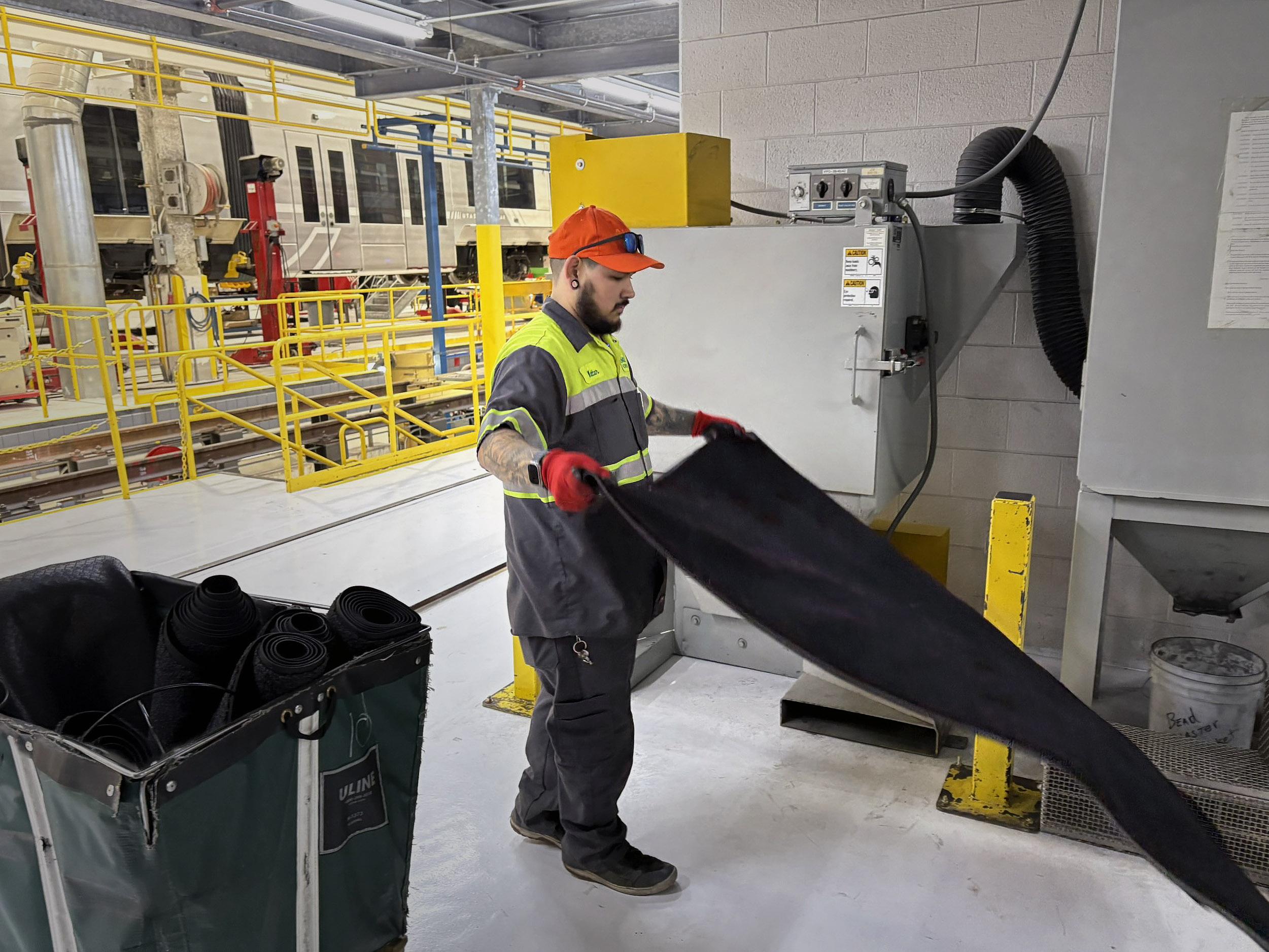






Not all hi-vis workwear is built for the same level of risk. The ANSI/ISEA 107 standard sorts high-visibility apparel into three performance classes based on how much fluorescent background fabric and retroreflective striping a garment includes, so you can match protection to the actual hazards on a job site rather than guessing.
ANSI/ISEA Visibility Classes Explained
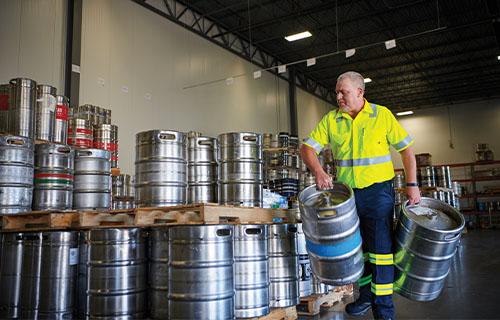
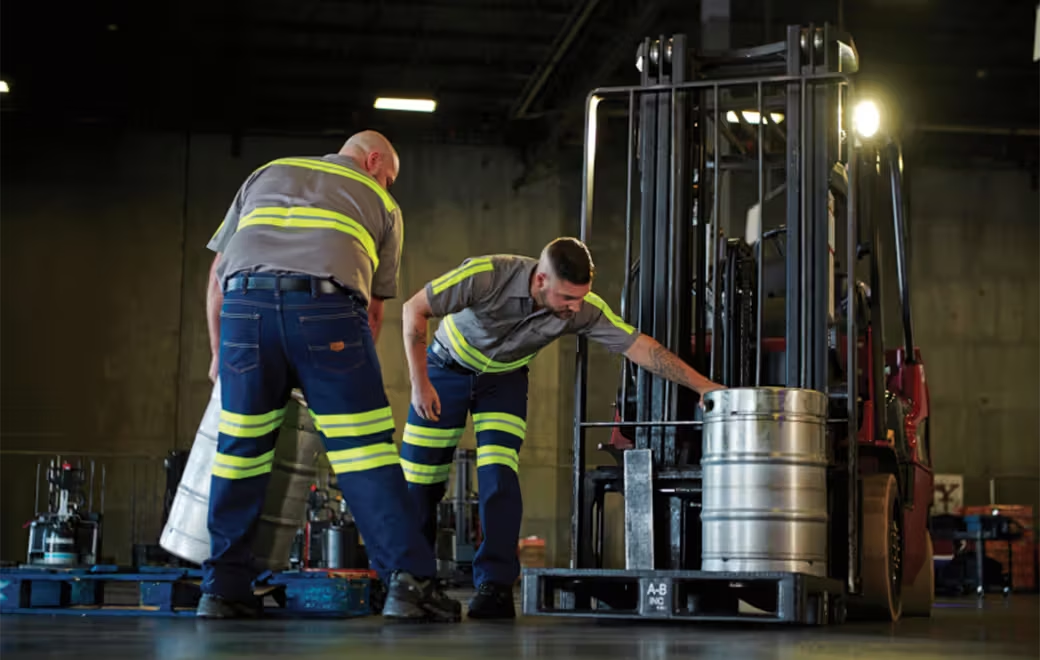
- Class 1: Best suited to low-traffic areas where vehicle speeds stay under 25 mph, such as warehouses, parking lots, and indoor facility work. It provides a basic, entry-level layer of visibility.
- Class 2: Recommended for moderate-risk environments with traffic under 50 mph or work performed near heavy machinery, including construction sites, utility crews, and general road work.
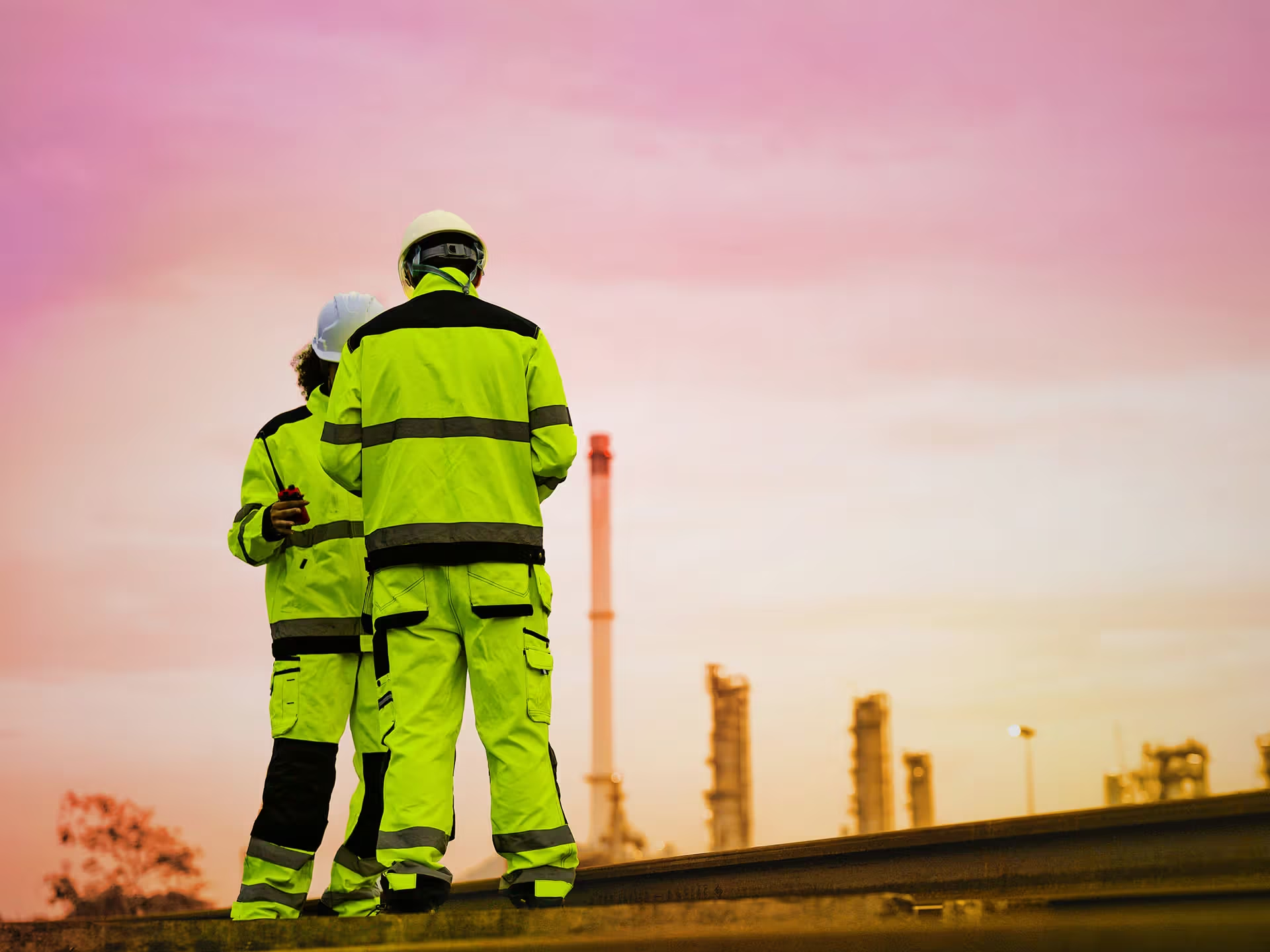
- Class 3: Required for high-risk conditions such as fast-moving traffic, low-light shifts, and extreme weather. These garments cover more of the body and add reflective material along the arms and legs, often as full-sleeve hi-vis jackets or coveralls.
Hi-vis workwear works because of two elements layered together: a fluorescent background fabric, typically yellow-green or orange, that stands out in daylight, and retroreflective striping that bounces headlights and work lights back toward their source after dark. Together, they help make sure your crew stays visible from a safe distance, in any conditions.