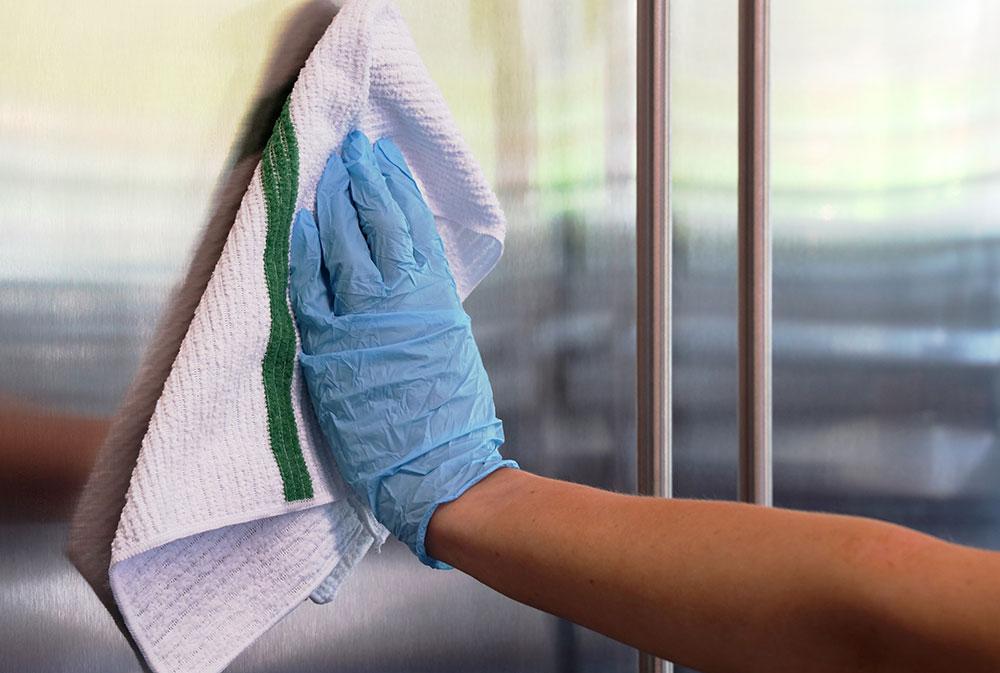
Microfiber and cotton towels both see significant use in businesses, although cotton towels are by far the more common of the two options. Cotton tends to be a good general option for towels in the workplace, while microfiber is more specialized. Microfiber is useful because its fine fibers are less likely to leave lint or damage sensitive materials like glass or electronics. Experts use both microfiber and cotton towels, depending on the job in question.
When comparing microfiber vs cotton towels, the most important consideration is how the towel will be used. Cotton is often preferred for comfort, general-purpose drying, and applications where towels need to withstand frequent commercial laundering. Microfiber can be especially useful for cleaning surfaces because its very fine synthetic fibers can pick up and hold dust, moisture, and small particles. Businesses comparing different materials may also want to consider how terry cloth and microfiber towels differ before selecting towels for specific applications.
Cotton Towels
Cotton towels are likely the most common type of towel in use, both for businesses and in homes.
Advantages of Cotton Towels
Cotton towels have a number of advantages worth highlighting. First, they are fairly inexpensive and more durable than microfiber towels, meaning they will be replaced less often. They’re also fairly hassle-free, with cotton towels being easy to wash and dry. With even mild caution, one is unlikely to accidentally ruin cotton towels.
Cotton towels are also both absorbent and comfortable. This makes them a great choice in a variety of use cases.
Their soft feel can make cotton particularly suitable for applications where a towel frequently comes in contact with skin, such as hospitality, fitness facilities, spas, and healthcare environments. Cotton towels can also be a practical choice for kitchens and other workplaces where workers need an absorbent towel for everyday spills and drying tasks. Choosing the right material is especially important in hospitality environments, where businesses may need to balance absorbency, comfort, durability, and laundering requirements when selecting towels for guests.
Washing
Cotton isn’t especially difficult to wash and dry. Some good general advice to follow when washing cotton towels includes making sure not to overload the washer and avoiding excessive use of detergent. Dark-colored towels should be kept separated from light-colored articles in the wash, as should any other towel that notes you should separate it on its tag. Most often, you can simply wash cotton towels in warm water on regular washing settings.
Drying cotton towels is similarly easy. Put them in the dryer on tumble dry with medium heat. Experts recommend avoiding line drying, as it can cause the towels to stiffen and potentially become scratchy.
Ecological Footprint
Cotton is fairly durable and thus doesn’t need to be frequently replaced. It is also plant-based and widely available.
However, the process of turning raw cotton into towels (or anything else) is admittedly not completely without an ecological footprint. Cotton does use pesticides to grow, and the process uses water. Organic cotton uses less of both, but it is also less widely available and tends to be more expensive.
Environmental impact can also vary significantly based on how cotton is grown, processed, transported, washed, and ultimately disposed of. For businesses, towel longevity and laundering practices are therefore important parts of evaluating environmental impact rather than looking only at the raw material.
Microfiber Towels
Microfiber towels are towels that use materials such as nylon or polyester, which allow a towel to be both lightweight and highly absorbent.
Advantages of Microfiber Towels
One big advantage of microfiber towels is their soft, fine construction, which can make them useful for cleaning delicate surfaces and for applications where a lightweight towel is preferred. These towels also dry quicker than cotton towels.
While cotton towels are also absorbent, microfiber is designed such that it can absorb up to seven times its weight in water. Microfiber is also extremely fine and can be an excellent choice of towel when cleaning potentially sensitive items, like electronics or glass.
So, are microfiber towels good for cleaning? In many situations, yes. The extremely fine fibers provide a large surface area and can trap moisture, dust, dirt, and other particles rather than simply moving them across a surface. High-quality microfiber can also leave behind very little lint, which is one reason it is commonly used for mirrors, glass, polished surfaces, electronics, and vehicle detailing. Microfiber can therefore be particularly useful when businesses need a towel specifically for cleaning rather than personal drying.
How Microfiber Performs During Cleaning
Microfiber is particularly useful when cleaning surfaces where streaks, lint, or small particles are a concern. Its fine fibers help pick up material from a surface and hold it within the cloth until the towel is washed. That can make microfiber a good option for dusting, wiping glass, cleaning equipment, and caring for other delicate surfaces. Because microfiber also dries quickly, towels can be useful in environments where damp cloths need to dry between uses. However, not all microfiber towels have the same construction or quality, so businesses should select towels designed for their intended cleaning application.
Washing
One of the downsides of microfiber is that it is somewhat fragile in the wash. It is often recommended to hand wash microfiber towels when they aren’t very dirty, saving the washing machine for when the towels have seen heavy use.
When washing, avoid heavy amounts of detergent. Avoid fabric conditioners and fragrances, fabric softeners, and harsh soaps. Microfiber is best cleaned with gentle detergent. Wash in cold or warm water, not hot. If there is an odor that is difficult to get rid of, add white vinegar to the wash to help remove it.
Microfiber towels should be air dried on a flat surface or drying line. If you dry them in a machine, dry them separately and without dryer sheets or dryer balls. Use low heat to avoid damaging the towels.
Washing microfiber separately from cotton can also help prevent the fine synthetic fibers from collecting lint shed by cotton towels. High heat should generally be avoided because microfiber is made from synthetic materials that can be damaged by excessive temperatures. Following the towel manufacturer’s care instructions can help preserve absorbency and cleaning performance. Businesses laundering these materials themselves can review additional guidance on how to wash and dry microfiber towels correctly.
Ecological Footprint
Microfiber is less ecologically friendly than cotton, as it is made of synthetic materials that don’t degrade quickly when disposed of. It is also less durable than cotton, meaning you will be replacing microfiber towels more often.
Microfiber also presents a different environmental concern because synthetic fibers can shed very small particles during laundering. At the same time, reusable microfiber towels can reduce reliance on disposable cleaning products such as paper towels. The overall impact therefore depends on towel quality, how frequently the towels are washed and replaced, and whether they are being used in place of disposable materials.
Cotton vs. Microfiber Towels: A Side-by-Side Comparison
Feature | Cotton Towels | Microfiber Towels |
|---|---|---|
Feel | Soft and comfortable | Fine texture that can feel different against dry skin |
Absorbency | Highly absorbent | Highly absorbent despite lightweight construction |
Drying speed | Generally slower | Generally faster |
Lint | May shed some lint | Often produces little lint when properly cared for |
Washing | Straightforward and tolerant of regular laundering | Requires more care and lower temperatures |
Best uses | Bathing, hospitality, general drying, kitchens | Glass, electronics, dusting, detailing, delicate surfaces |
Material | Natural plant-based fiber | Synthetic fibers such as polyester and nylon |
Looking at cotton vs microfiber towels side by side makes it clear that each material has strengths that suit different applications. Businesses may even benefit from using both, reserving cotton for comfort and general drying while using microfiber for cleaning tasks that require precision or minimal lint. Regardless of material, proper care also plays an important role in maintaining towel absorbency over time.
Which Option Is Better?
Neither cotton nor microfiber is so superior to the other that it is the best in all use cases. However, many businesses opt for cotton due to its cost, durability, and comparably low ecological footprint. It is a solid general-use option and one that is popular for a reason.
However, microfiber has distinct advantages for certain use cases. Its fine fibers, lightweight construction, and quick-drying properties can make it a practical choice for cleaning tasks where minimizing lint and protecting delicate surfaces are priorities.
Microfiber should also be used on anything sensitive to damage. While cotton isn’t especially rough to the touch, it does still have the potential to damage certain types of materials, so microfiber is preferred in these cases.
Choosing Towels Based on the Job
Instead of selecting one towel material for every task, businesses can match the material to the application. Consider factors such as surface sensitivity, comfort, laundering requirements, drying speed, lint, and the amount of moisture the towel needs to absorb.
- Hospitality and personal drying: Cotton is often a strong choice because softness and comfort are important. Businesses choosing towels for guests may also want to consider factors such as density and absorbency when choosing pool towels for hotels.
- Glass and mirrors: Microfiber can help minimize lint and streaks.
- Electronics and delicate equipment: Microfiber’s fine construction makes it useful for surfaces that need gentle cleaning.
- General workplace spills: Cotton provides a durable, absorbent option for repeated everyday use.
- Automotive cleaning and detailing: Microfiber can be useful when wiping polished, painted, or otherwise sensitive finishes.
- Commercial cleaning: A business may use a combination of cotton and microfiber depending on the surfaces being cleaned.
Let Alsco Uniforms Manage Your Towel Needs
Simplify the process of ensuring your business always has clean, quality towels on hand by working with us here at Alsco Uniforms. From plush hospitality towels to hygienically clean medical utility towels, we can maintain your towels. We’ll ensure you always have a ready supply of what you need by taking away your dirty towels and replacing them with fresh towels on a regular schedule.
Both cotton and microfiber towels can be good choices when they are matched to the right task. Cotton remains a versatile option when comfort, durability, absorbency, and straightforward care are priorities, while microfiber is particularly useful for quick drying, low-lint cleaning, and sensitive surfaces. For many businesses, the best solution is not choosing one material exclusively but maintaining an appropriate mix based on how employees and customers actually use the towels.
Linen services are more convenient than managing your linens yourself, so you can free up your time to focus on more important aspects of your business. Renting towels can also potentially cut costs since you don’t have to worry about the cost of towel replacements. When a towel is torn, frayed, or stained, we simply replace it with a fresh towel.
Alsco Uniforms is a global leader in commercial laundry, uniform rental, linen services, and facility services, trusted by businesses in 12 countries. With 136+ years of experience, we deliver clean, professional, and reliable service that helps your team show up ready—day after day. Our commercial laundry services and towel and cloth rental services can help businesses maintain the right mix of clean towels without managing the washing, replacement, and inventory process internally.
Contact Alsco Uniforms today to learn about how we can simplify your linen management with our linen cleaning service. We can discuss your needs and determine the best towel choice for your business.
References
Cotton Towels. (May 2023). Medium.
How to Choose the Best Materials for Your Bath Towels - A Comprehensive Guide. (April 2023). OnlineClothingStudy.com.
Before you wash your clothes. Cotton Incorporated.
How to Wash Your Towels the Right Way. (February 2023). Martha Stewart.
Linen vs. Cotton: Which Is Greener? (June 2021). Treehugger.
How to Wash and Dry Microfiber Towels. Maytag.
(Updated August 2026)